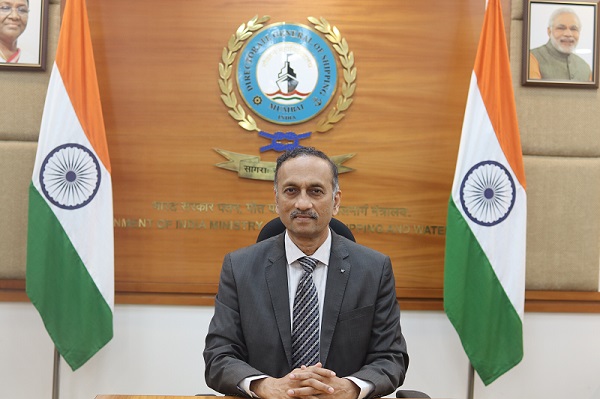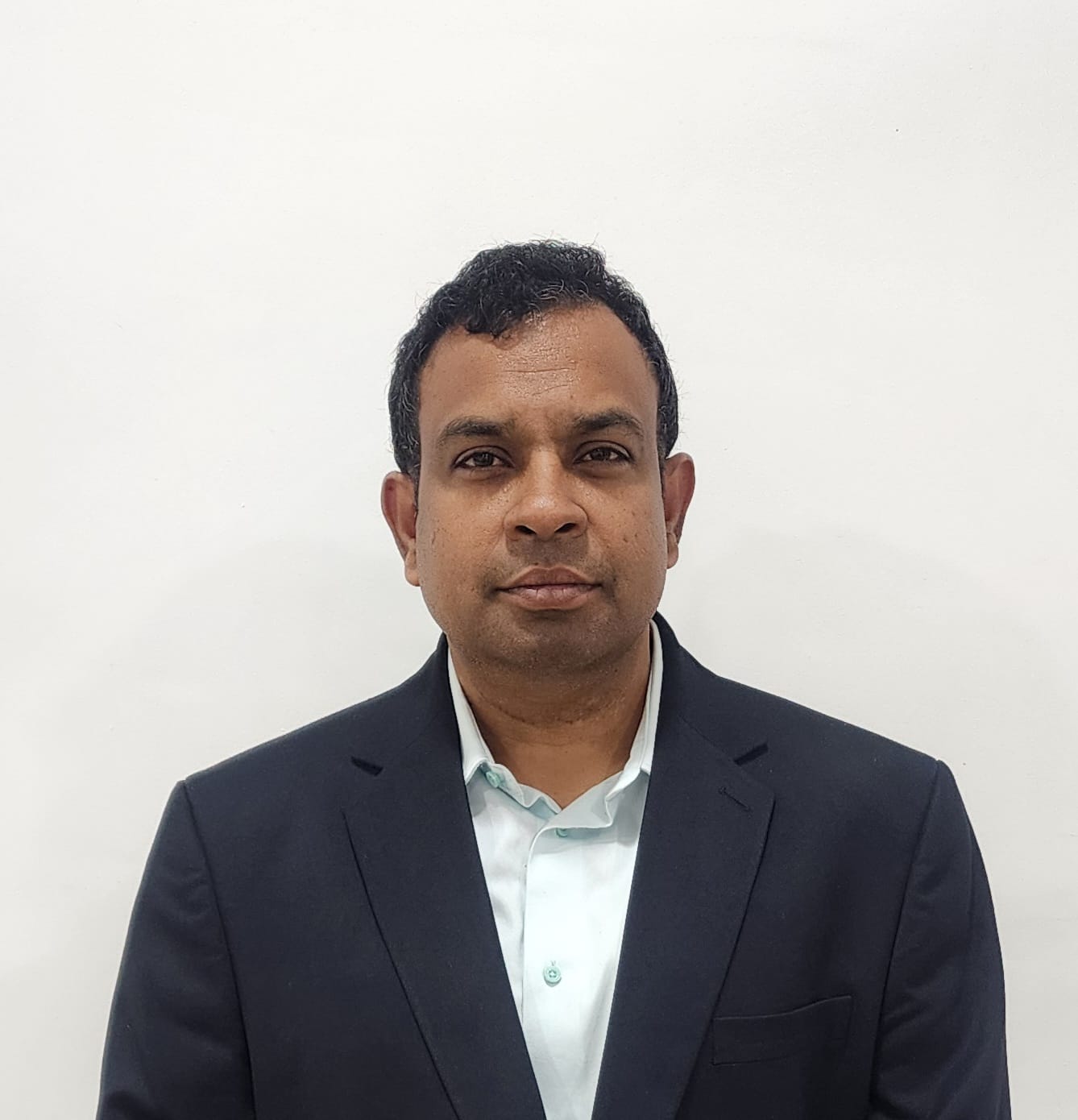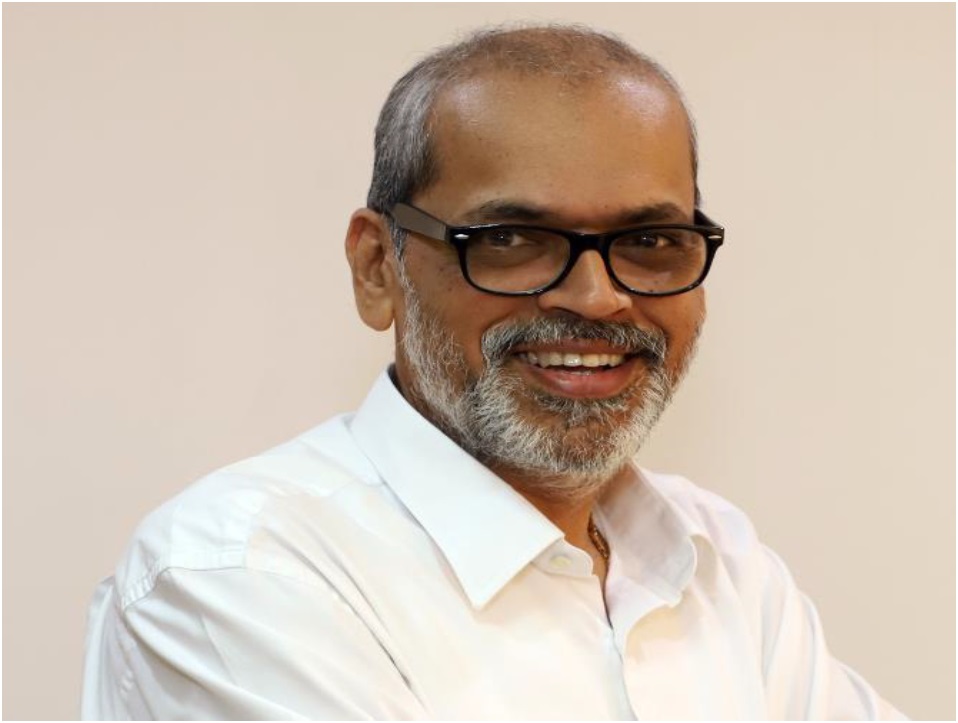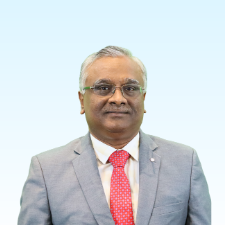

Shri Shyam Jagannathan, IAS
Brief Profile
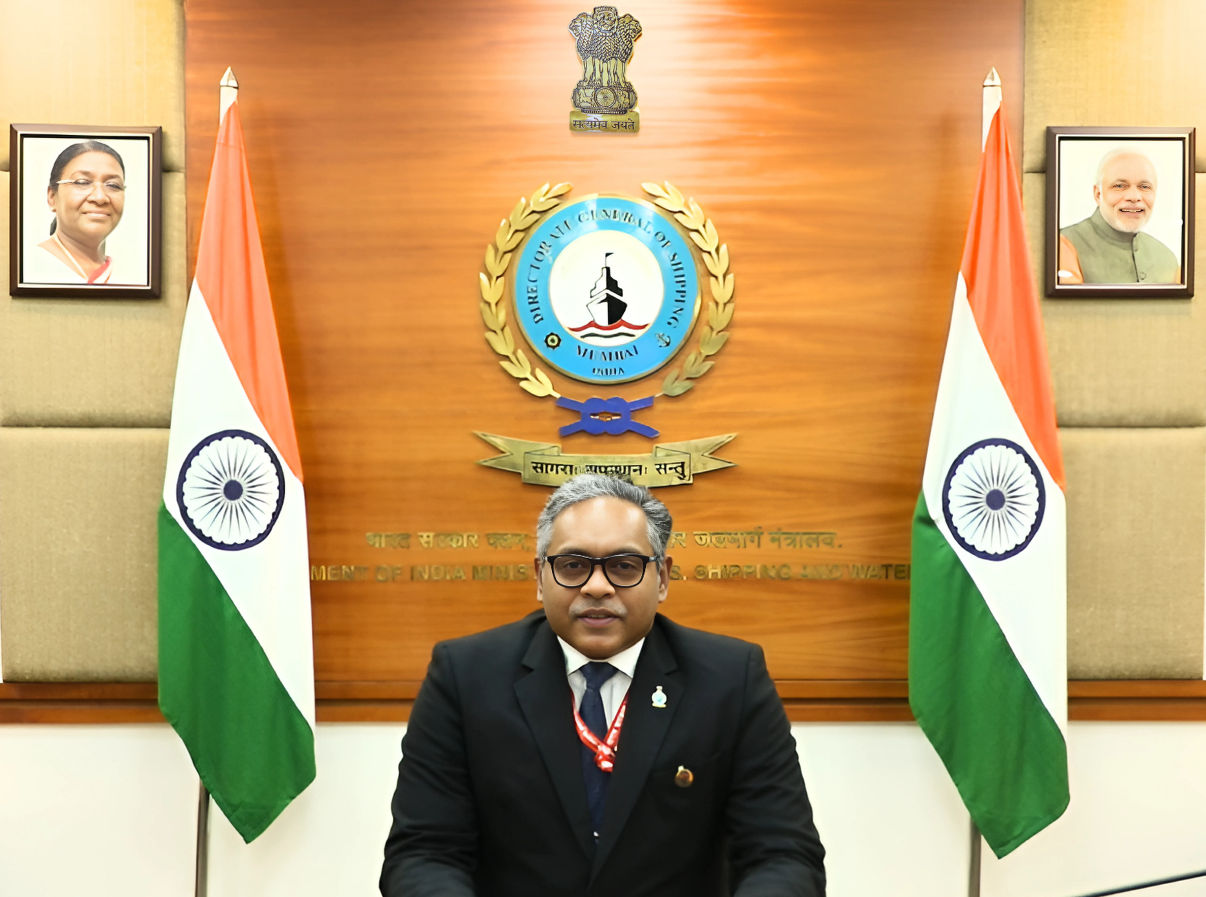
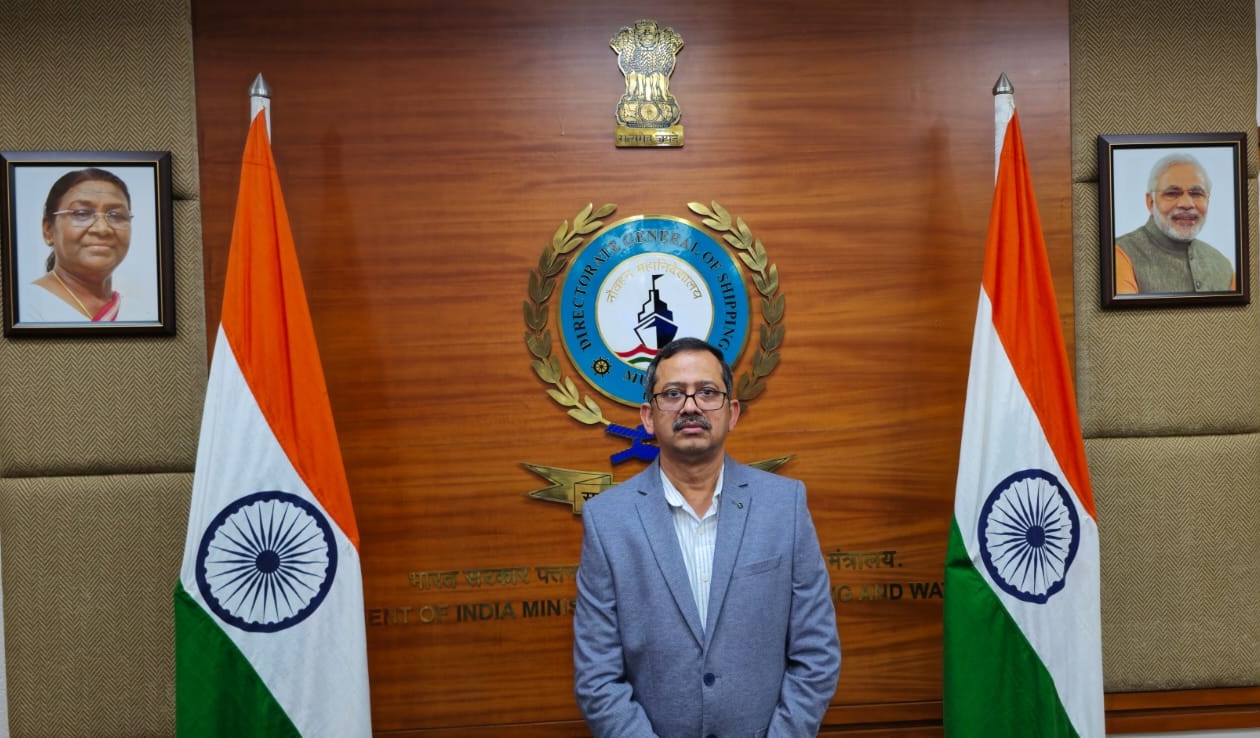
Shri Shyam Jagannathan, IAS
Director General of Maritime Administration
-
: 022 - 25752005 / 022 - 25752010 -
: Ext. No - 202/203 - : +91 - 9435119100
-
: dg-dgs@gov.in -
: 022 - 25752011
Designation :
Director General of Maritime Administration
Present Posting :
Directorate General of Maritime Administration (DGMA), Mumbai
Educational Background :
Master's in Biochemistry from the Osmania University
Shri Shyam Jagannathan, a 1997 batch IAS officer of the Assam Meghalaya cadre, assumed office of the Directorate General of Maritime Administration under Ministry of ports, Shipping and Waterways, Govt. of India on 03rd July, 2023. He has earlier served as Zonal Development Commissioner, Santacruz Electronic Export Processing Zone (SEEPZ), Special Economic Zone (SEZ), Mumbai under the Ministry of Commerce and Industry, Govt. of India at Mumbai.
In his earlier assignments with the State Government of Assam, Shri Shyam Jagannathan has served as Commissioner & Secretary, Finance Department and Commissioner, North Assam Division.
Shri Shyam Jagannathan has also served as Commissioner, Commercial Taxes, Chairman Civil Supplies Corporation, Department of Food & Civil Supplies, Department of Finance, Government of Kerala and separately as District Magistrate of West Garo Hills in Meghalaya, thereby giving him the diverse exposure of the three States of Assam, Kerala and Meghalaya.
He has domain knowledge in the core areas of public finances, export promotion, prospective planning, public policy analysis and sectoral exposure to Animal Husbandry and Veterinary Rural development and judicial processes.
Presently, in the assignment of Directorate General of Maritime Administration, an attempt is being made to leverage technology-based solution to computerize end to end the work flow process of the Directorate General of Maritime Administration and the Examination Reforms for the compliance to the International Convention on Standards of Training, Certification and Watchkeeping for Seafarers (STCW).
The Directorate General of Maritime Administration (DGMA), functioning under the Ministry of Ports, Shipping and Waterways, Government of India, is the apex maritime authority and principal statutory regulator under the Merchant Shipping Act, 2025. The DGMA is entrusted with safeguarding India's maritime interests, ensuring compliance with national and international maritime obligations, and promoting safe, secure, sustainable, and efficient maritime operations. The major areas of responsibility are as follows:
- Maritime Governance and National Maritime Interest
- Serve as the apex administrative interface and statutory maritime authority of India.
- Formulate, implement, and administer policies and regulatory frameworks to protect and further India's maritime interests.
- Coordinate maritime governance initiatives with Central Ministries, State Governments, maritime administrations, and other stakeholders.
- Oversee implementation of maritime legislation, rules, conventions, codes, and international obligations applicable to India.
- Seafarer Welfare, Safety and Maritime Labour Administration
- Ensure the welfare, safety, security, rights, and working conditions of Indian seafarers at all times.
- Regulate maritime employment, certification, training, competency standards, welfare measures, grievance redressal, and repatriation assistance.
- Ensure compliance with the Maritime Labour Convention (MLC) and other international labour standards applicable to seafarers.
- Marine Environment Protection and Pollution Prevention
- Safeguard the marine environment through enforcement of national laws and international environmental conventions.
- Prevent, regulate, monitor, and respond to marine pollution arising from vessels, offshore activities, and maritime operations.
- Oversee ballast water management, waste reception facilities, anti-pollution measures, and other environmental protection initiatives.
- Vessel Registration, Survey, Certification and Flag State Administration
- Regulate the registration, ownership, survey, certification, and operational aspects of Indian vessels and other seagoing craft.
- Establish and enforce standards relating to vessel design, seaworthiness, construction, safety equipment, and statutory certification.
- Exercise Flag State responsibilities to ensure compliance of Indian vessels with national and international requirements.
- Port State Control and Maritime Compliance Enforcement
- Conduct Port State Control inspections and other statutory inspections to verify compliance of vessels operating in Indian waters.
- Monitor and enforce adherence to international maritime conventions, safety standards, security requirements, and environmental obligations.
- Undertake regulatory oversight of vessel operations, audits, inspections, investigations, and compliance assessments.
- Maritime Education, Training and Certification
- Regulate and supervise the maritime education and training ecosystem in India, including pre-sea and post-sea institutions.
- Ensure quality standards in maritime training, examinations, certification, accreditation, and competency development.
- Promote professional excellence and continuous skill development within the maritime sector.
- International Maritime Cooperation and Treaty Implementation
- Represent India at international maritime forums, including the International Maritime Organization (IMO), International Labour Organization (ILO), and other multilateral bodies.
- Coordinate implementation of international maritime conventions, protocols, and agreements acceded to by India.
- Promote bilateral and multilateral cooperation in maritime affairs and contribute to the development of global maritime standards.
- Maritime Security, Port Security and Navigational Safety
- Oversee vessel security, port facility security, and maritime security measures in coordination with relevant authorities.
- Establish and enforce navigational safety standards for commercial seafaring vessels.
- Promote safe navigation, maritime domain awareness, and security of maritime operations within Indian waters and areas under Indian maritime jurisdiction.
- Multimodal Logistics and Maritime Transport Facilitation
- Facilitate efficient, secure, and economically viable maritime transportation and multimodal logistics systems.
- Monitor and promote safe movement, transit, and transhipment of cargo through major and non-major ports.
- Support initiatives aimed at enhancing ease of doing business, supply chain efficiency, and maritime trade competitiveness.
- Shipbuilding, Ship Repair and Maritime Industrial Development
- Promote and regulate shipbuilding, ship repair, ship conversion, marine manufacturing, and related maritime industrial activities.
- Establish standards and oversight mechanisms for shipyards and maritime industrial facilities.
- Support modernization and growth of the Indian maritime manufacturing ecosystem.
- Ship Recycling and Circular Maritime Economy
- Regulate ship recycling activities and ensure compliance with the Hong Kong International Convention for the Safe and Environmentally Sound Recycling of Ships.
- Promote environmentally sustainable and safe recycling practices within the maritime sector.
- Monitor compliance with national and international standards relating to ship dismantling and recycling.
- Emerging Maritime Technologies and Integrated Maritime Administration
- Regulate and oversee emerging maritime sectors, technologies, offshore units, and other vessels brought within the ambit of the Merchant Shipping Act, 2025.
- Promote integrated maritime administration through digital governance, regulatory modernization, and risk-based oversight mechanisms.
- Support innovation, technology adoption, and development of a future-ready maritime ecosystem.