
About the Department
The Mercantile Marine Department (MMD), Chennai is one of the five principal field offices of the Directorate General of Shipping (DGS), functioning under the Ministry of Ports, Shipping and Waterways, Government of India. Established in 1929 to implement the first International Convention for the Safety of Life at Sea (SOLAS) 1914 and subequently the department expanded to implement the International Load Line Convention, 1930. MMD Chennai is among the oldest maritime regulatory establishments in the country. The Department was initially under the direct administrative control of the Ministry of Commerce and was subsequently brought under the Directorate General of Shipping upon the latter's establishment at Mumbai in 1949. The Merchant Shipping Act, 2025 (Act No. 24 of 2025) provides for the reconstitution of the Directorate as the Directorate General of Maritime Administration (DGMA), reflecting its expanded mandate under the new legislative framework.
Located at the historic Anchorgate Building on Rajaji Salai in the heart of Chennai's port district, MMD Chennai exercises jurisdiction over the maritime activities of the eastern seaboard, with subordinate offices at Visakhapatnam and Tuticorin, as well as the Government Shipping Office and the Seamen's Welfare Office in Chennai functioning under its administrative control.
Statutory Framework
The Department derives its statutory authority principally from the Merchant Shipping Act, 2025 (Act No. 24 of 2025), a comprehensive legislation structured in 16 Parts and 325 clauses that repeals and replaces the Merchant Shipping Act, 1958. Enacted on 18 August 2025, the Act aligns India's maritime regulatory framework with the country's obligations under the conventions of the International Maritime Organization (IMO) and the International Labour Organization (ILO). It incorporates, inter alia, the International Convention for the Safety of Life at Sea (SOLAS)1974 , the International Convention for the Prevention of Pollution from Ships (MARPOL)1973/78, the Ballast Water Management Convention 2004, the Nairobi International Convention on the Removal of Wrecks 2007, the STCW Convention,1978 (as amended in 1993 & 2010) the Maritime Labour Convention (MLC, 2006), the ISM Code 1993, the ISPS Code 2004 , the Convention on Limitation of Liability for Maritime Claims (LLMC) 1976, and the International Convention on Civil Liability for Bunker Oil Pollution Damage 2001.
MMD Chennai also functions within the regulatory framework established by the Coastal Shipping Act, 2025 (Act No. 20 of 2025), which governs the licensing and regulation of vessels engaged in coastal trade between Indian ports. The Coastal Shipping Act mandates the formulation of a National Coastal and Inland Shipping Strategic Plan and a National Database for Coastal Shipping, and confers powers on the Director General to regulate, license, and monitor all vessels in coastal trade. The Carriage of Goods by Sea Act, 2025 (Act No. 19 of 2025), which adopts the Hague-Visby Rules, further completes the legislative triad governing the maritime sector.
Core Functions
The Department administers a wide range of maritime regulatory functions under these enactments and the executive orders issued thereunder by the Central Government and the Director General of Shipping. In administering the Merchant Shipping Act, 2025 and its associated rules, the Department performs a wide range of functions. These include, but are not limited to, the registration of vessels and all related matters (including electronic registration, provisional registration, registration of bareboat charter vessels, mortgaging, and transfer of registry), statutory surveys, audits, and certification of vessels under Part VIII of the Merchant Shipping Act, 2025 (encompassing SOLAS, MARPOL, Load Line, MLC, ISM, ISPS, and Ballast Water Management compliance), Port State Control and Flag State inspections, inspection and approval of life saving and fire fighting appliances, GMDSS and navigational equipment, pollution prevention certificates, wreck removal oversight under the Nairobi Convention, 2007 provisions, verification of mandatory insurance and financial security requirements under the LLMC, 1976 and Bunker Oil Conventions 2001, inquiries into marine casualties and incidents (including the expanded scope for marine incident investigation under the new Act), and the examination, certification, and revalidation of seafarers across all nautical and engineering grades of competency under the STCW,1978 ( as amended in 1993 & 2010) framework.
The Act also empowers the Principal Officer to take direct action against vessels that are unsafe and pose a threat to life or the environment, and introduces a dual enforcement regime with civil penalties for minor offences (adjudicated by the Principal Officer as Administrator) and criminal proceedings for serious violations. The Act also empowers the Principal Officer to be the Registrar of Indian Vessel at such port of registry.
Organisation
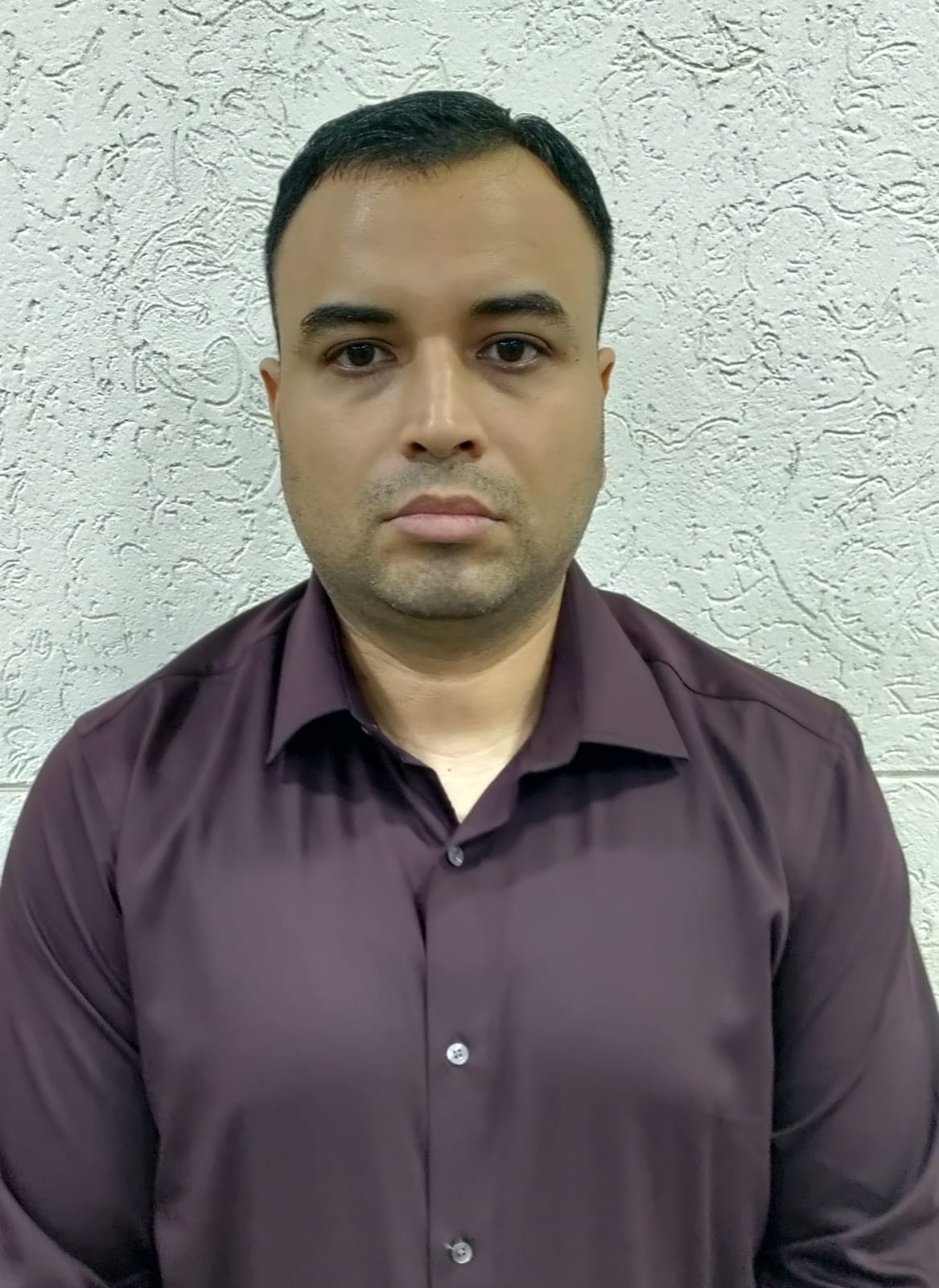
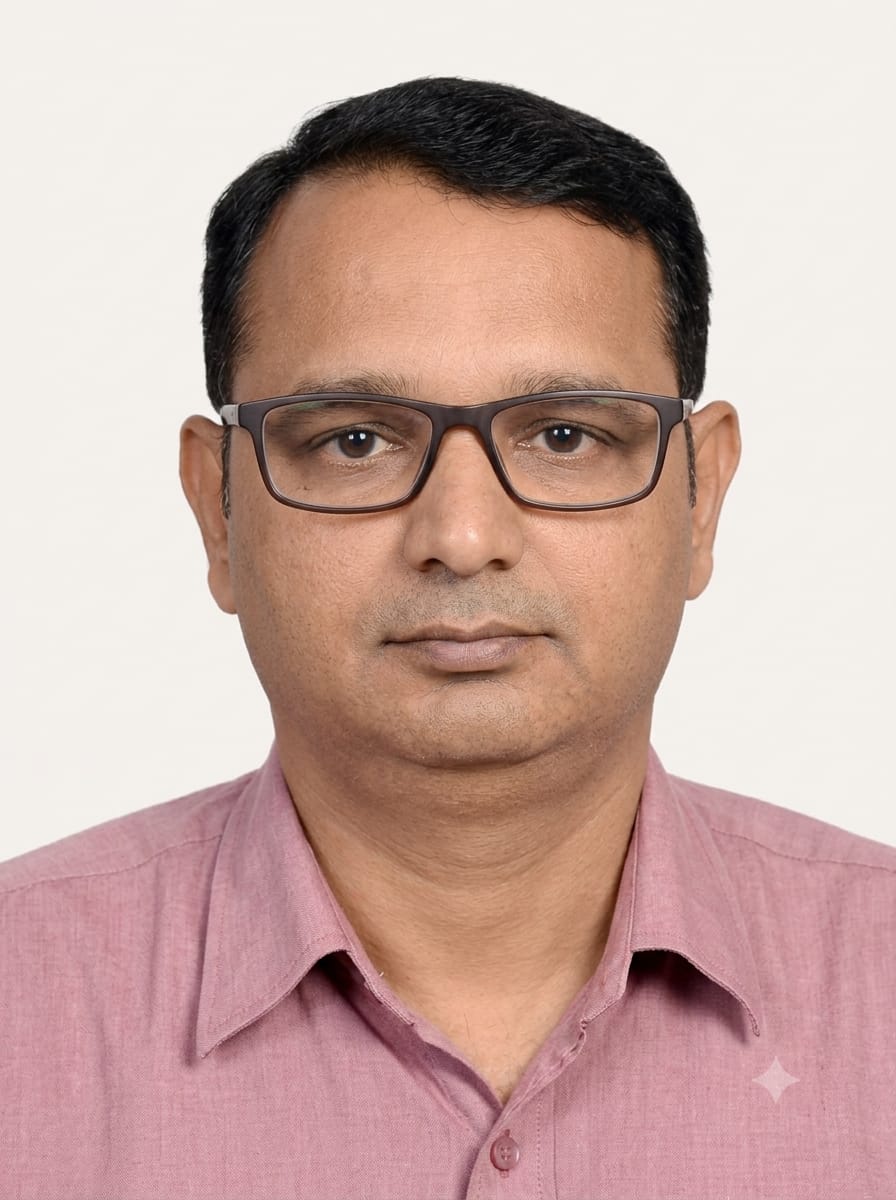
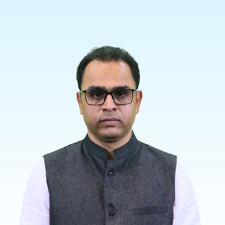
The office of the Principal Officer is supported by the Deputy Chief Surveyor, Nautical Surveyors, Engineer and Ship Surveyors, Ship Surveyors, Radio Inspectors, and supporting administrative staff. Under the Merchant Shipping Act, 2025, the Department also exercises regulatory oversight of maritime education and training, including the approval, inspection, and compliance monitoring of maritime training institutes within its jurisdiction (Part IV of the Act). The Department handles legal matters involving court cases and manages Official Language implementation as required under national policy.
Explore MMD Chennai
Navigate to the key sections of the Mercantile Marine Department, Chennai.
Officers and staff across all offices
Per Departmental Order No. 01 of 2026
Vizag, Tuticorin, SEO, SWO, RO Sails
Addresses, phone numbers, emails
History, functions, jurisdiction
Internal branches and sections